Clint Lewis · UX and product design · Montréal
Using technology to accelerate human potential, not replace it.
I am a product designer and builder. I design tools for business owners and professionals, such as accounting firms, lenders and media buyers, and for creative and technical users such as 3D artists, engineers, and construction professionals.
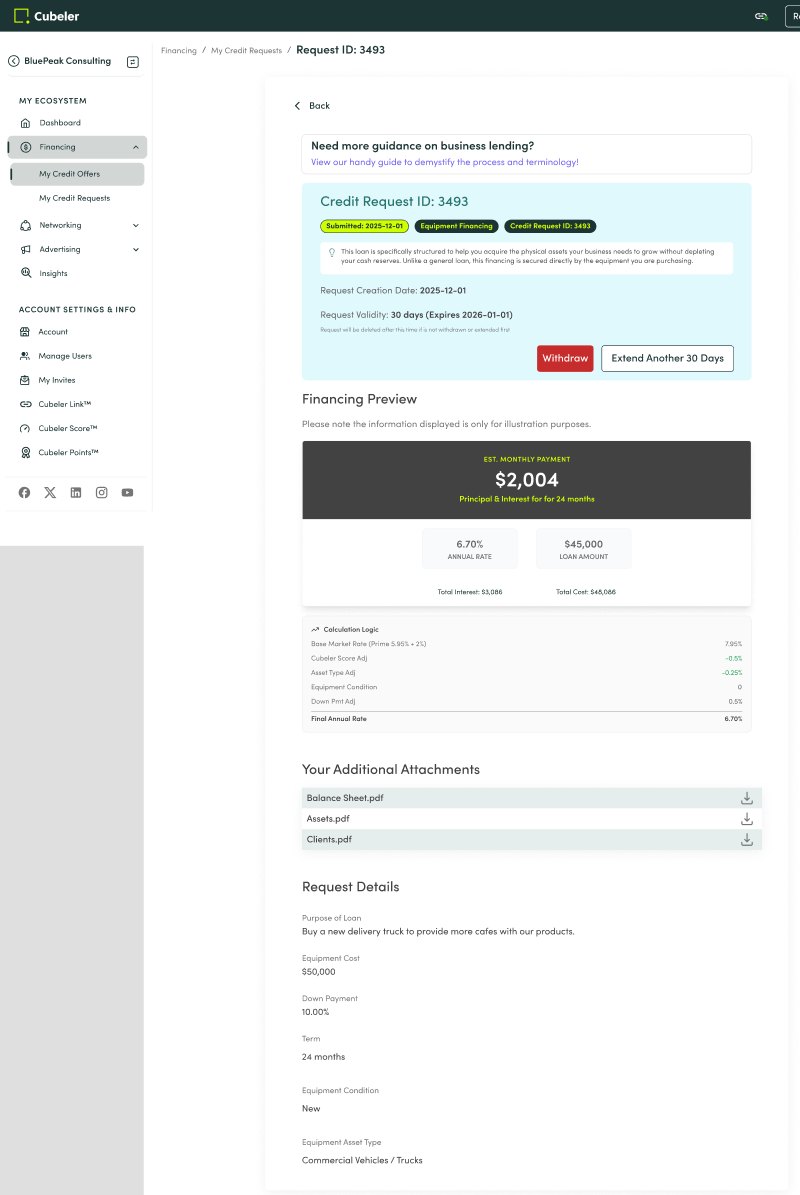
I have worked on a business networking site with financing and accounting integration at Cubeler, ad tech at Broadsign, construction simulator training systems at CM Labs, and 3ds Max and VR at Autodesk. Not to mention my experience as a 3D artist.
Today I work with stakeholders and the people we are designing for to define the requirements. Then I craft the flows and direct AI coding agents to ship working software based on the best practices of full stack development.
My design philosophy is informed by the problem we are trying to solve and making sure that problem is the right one and asking questions if I think it's not a good fit for the people we are building for.
I’m ready to work efficiently with AI models, but working with the people who will use the system comes first. I think the designer’s role has never been more important: building consensus, documenting how people really work, and championing software quality. AI accelerates that discernment but does not replace it.
- UX designer
- Product designer
- Interaction designer
- Product owner
- Creative technologist
How I work with AI agents
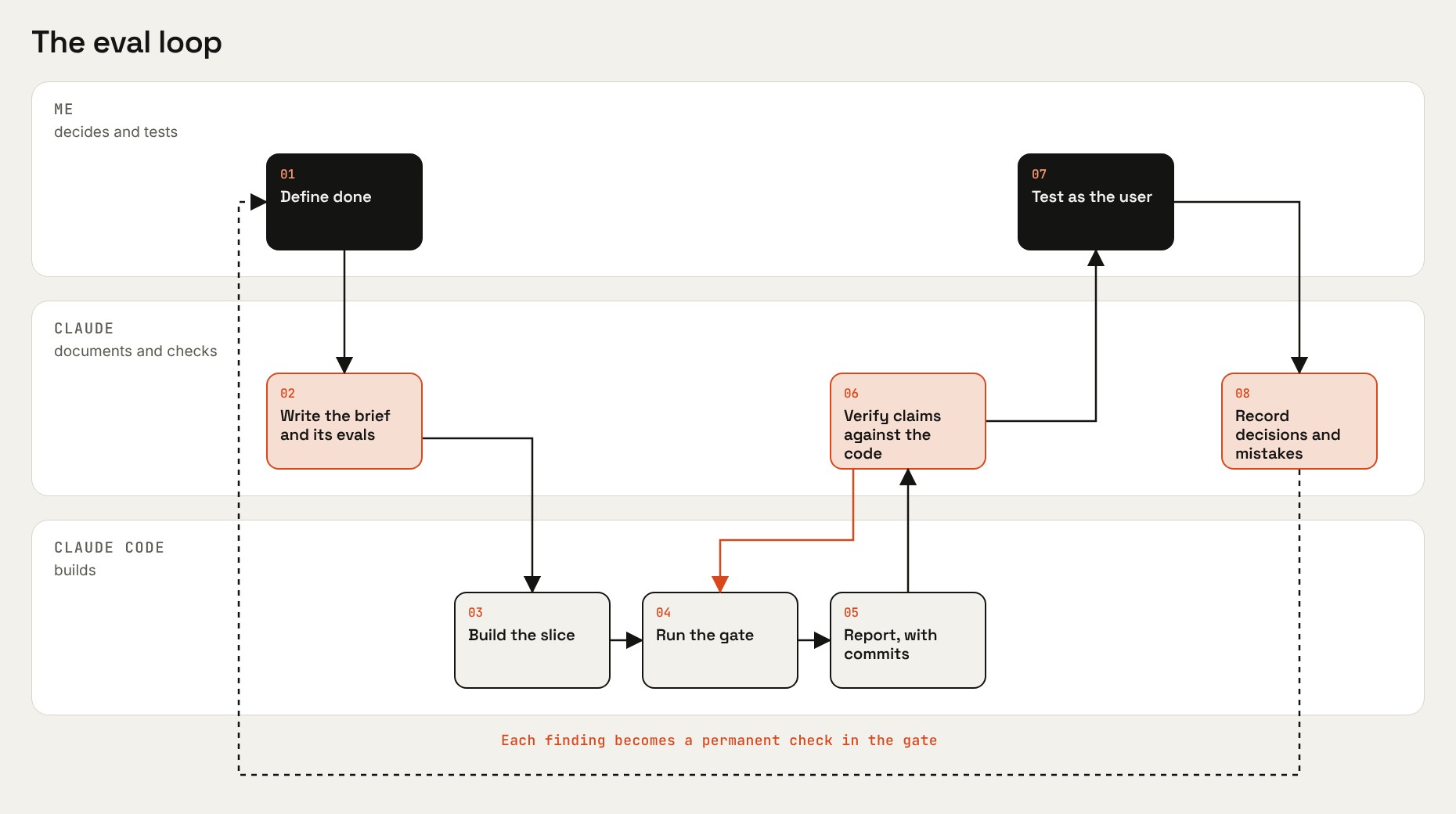
Claude and Claude CodeI use Claude as my requirements analyst and build reviewer, and Claude Code as the coding agent. The agents make building fast, so my effort goes into the parts that decide whether the software is right. I put myself in the mind of the user, test the flows, inject error conditions and look for empty states. In short I hammer on it to make sure what is coded is robust and useful.
People first, then agents
I start with the people who will use the system. This means interviews, walk-throughs and testing in their real setting, whether that is an accounting firm or my own live rig. Agents cannot do that part for me.
The spec is the product
An agent builds exactly what an ambiguous document says, very fast. To alleviate this I keep one versioned source of truth, with acceptance criteria for every part and decisions recorded.
Clear roles, no guessing
I decide what is done, Claude documents and checks, Claude Code builds. When something is missing, it comes back to me as a question with a recommendation. And when the explanation is dense, I ask the agent to clarify and never blindly accept any recommendation.
Verify, don’t trust
Every code agent claim is checked against the code, and every build is tested by me, as the user. Mistakes are recorded, which makes the record have integrity.
Work
Three sections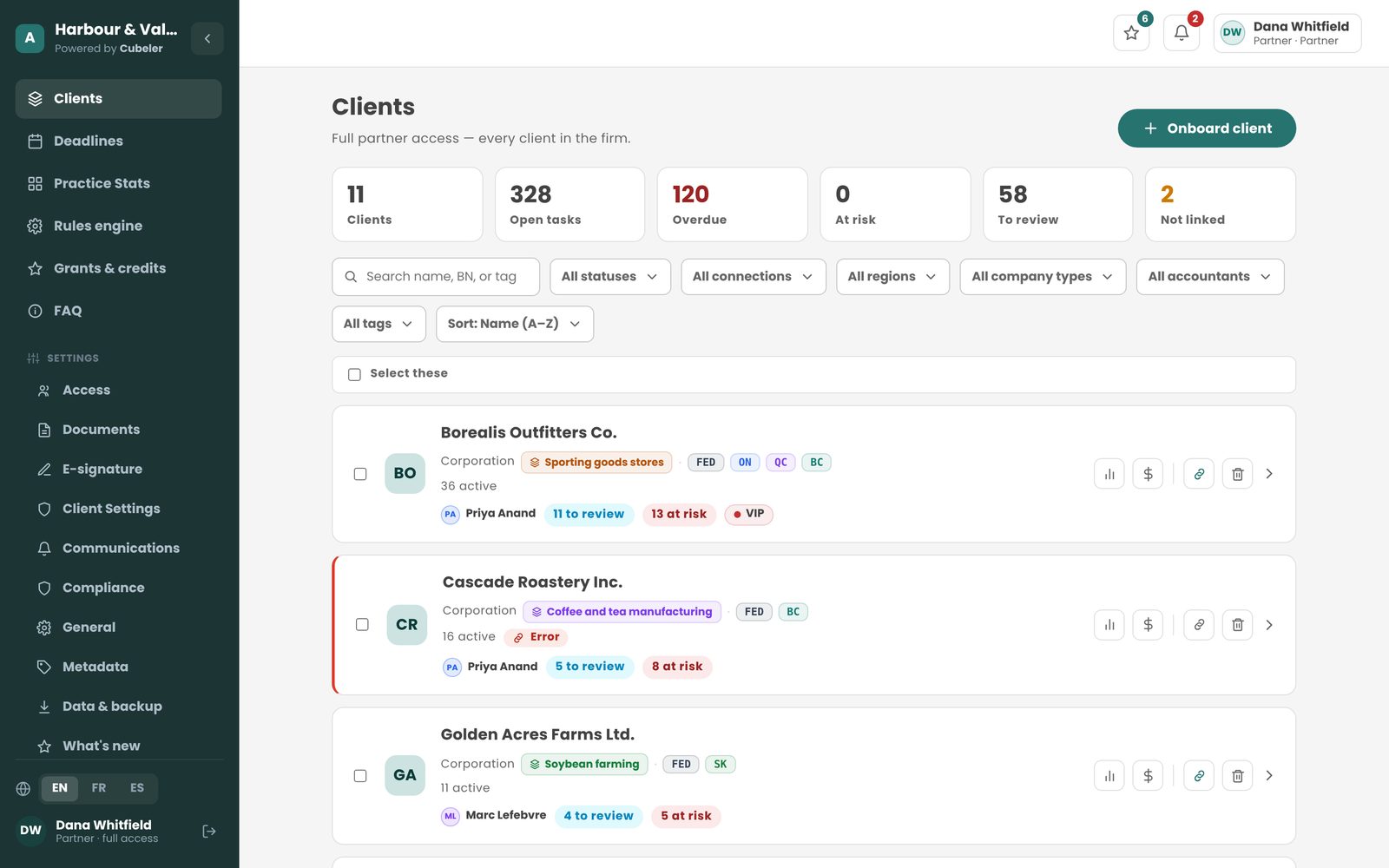
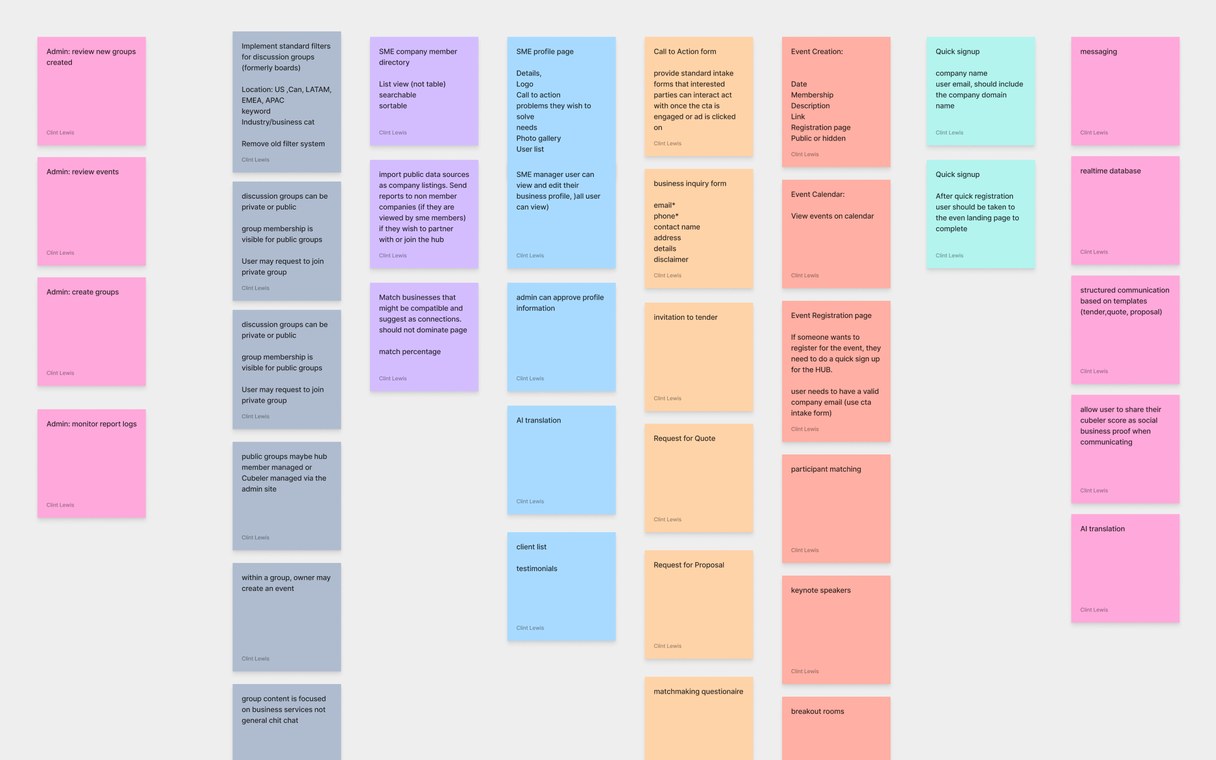
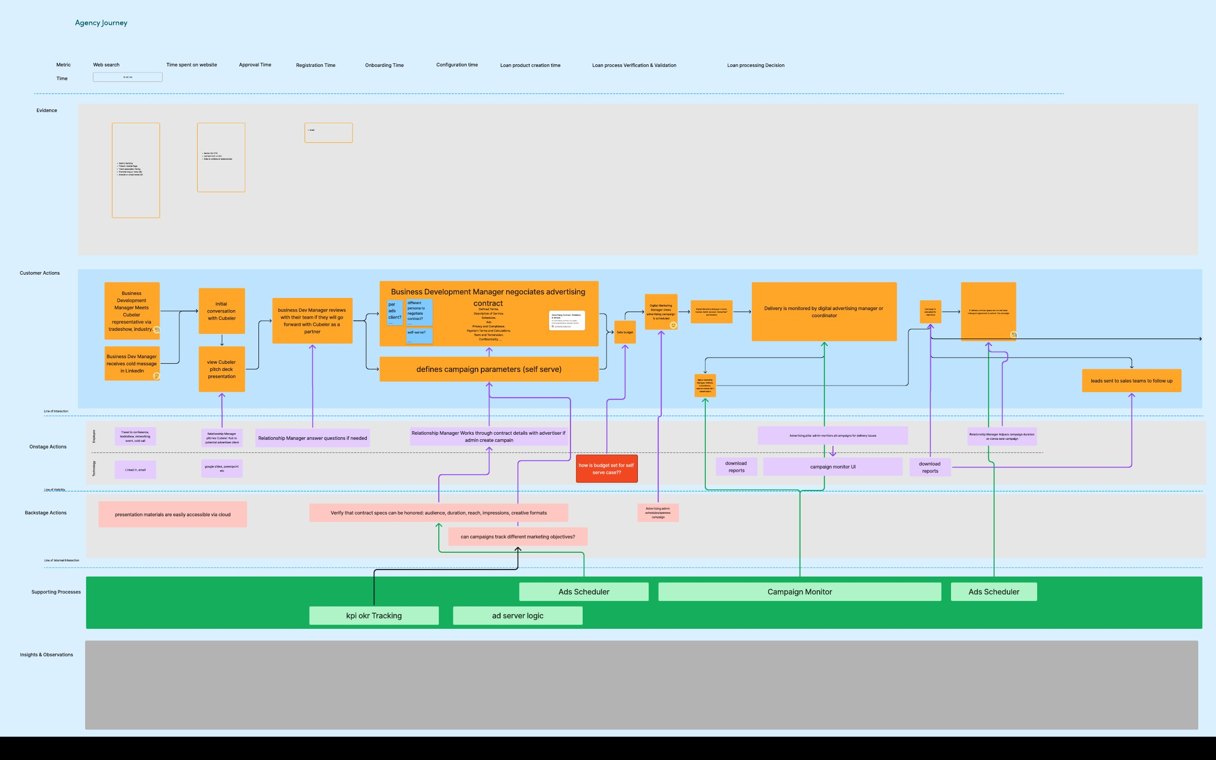
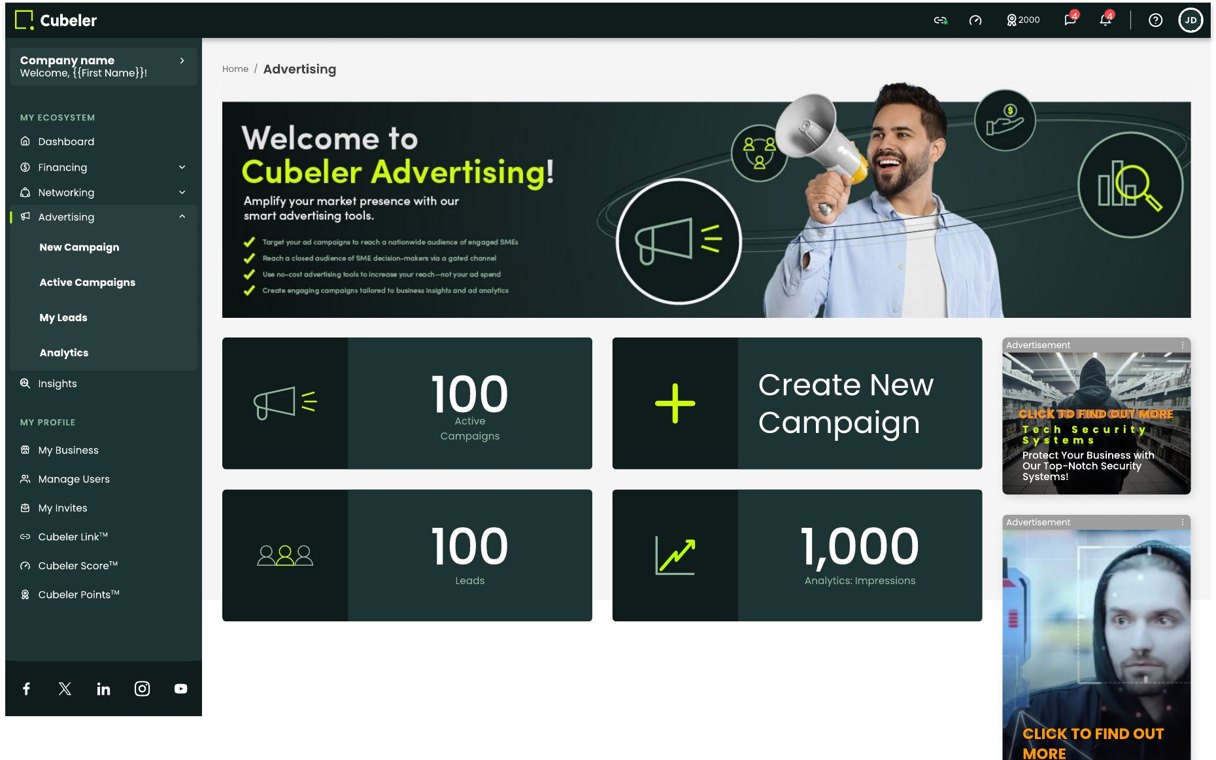
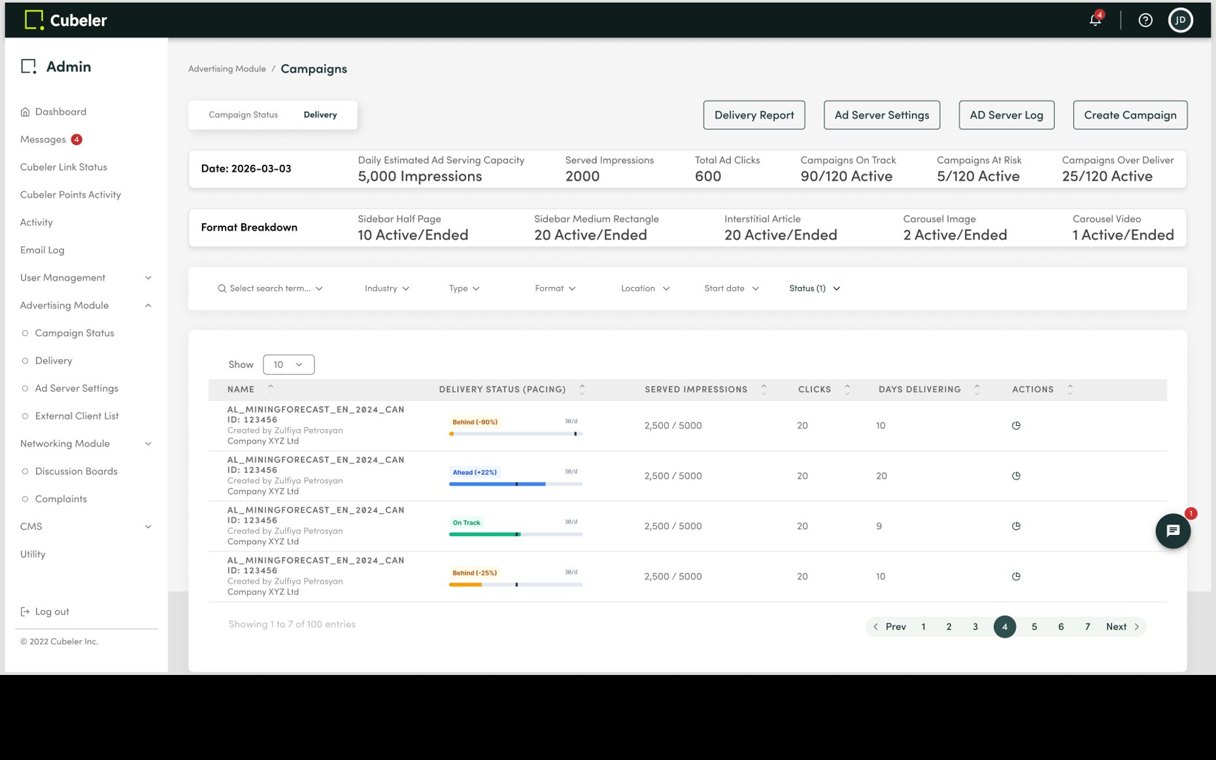
8 case studies
Latest Work
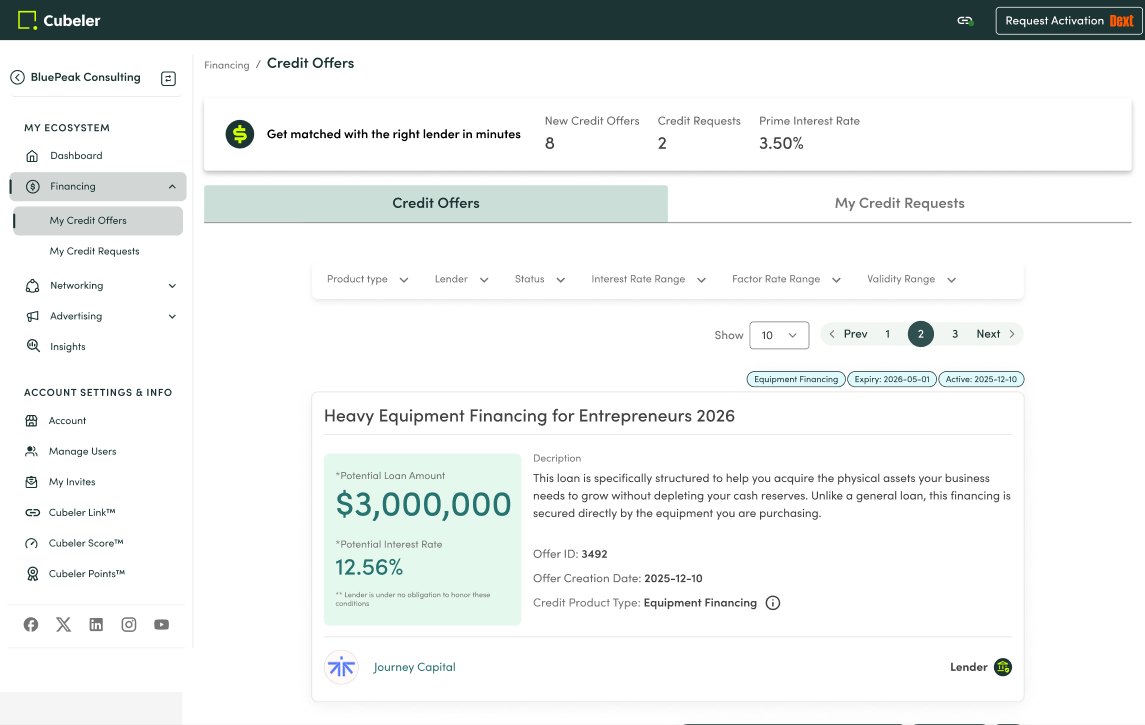
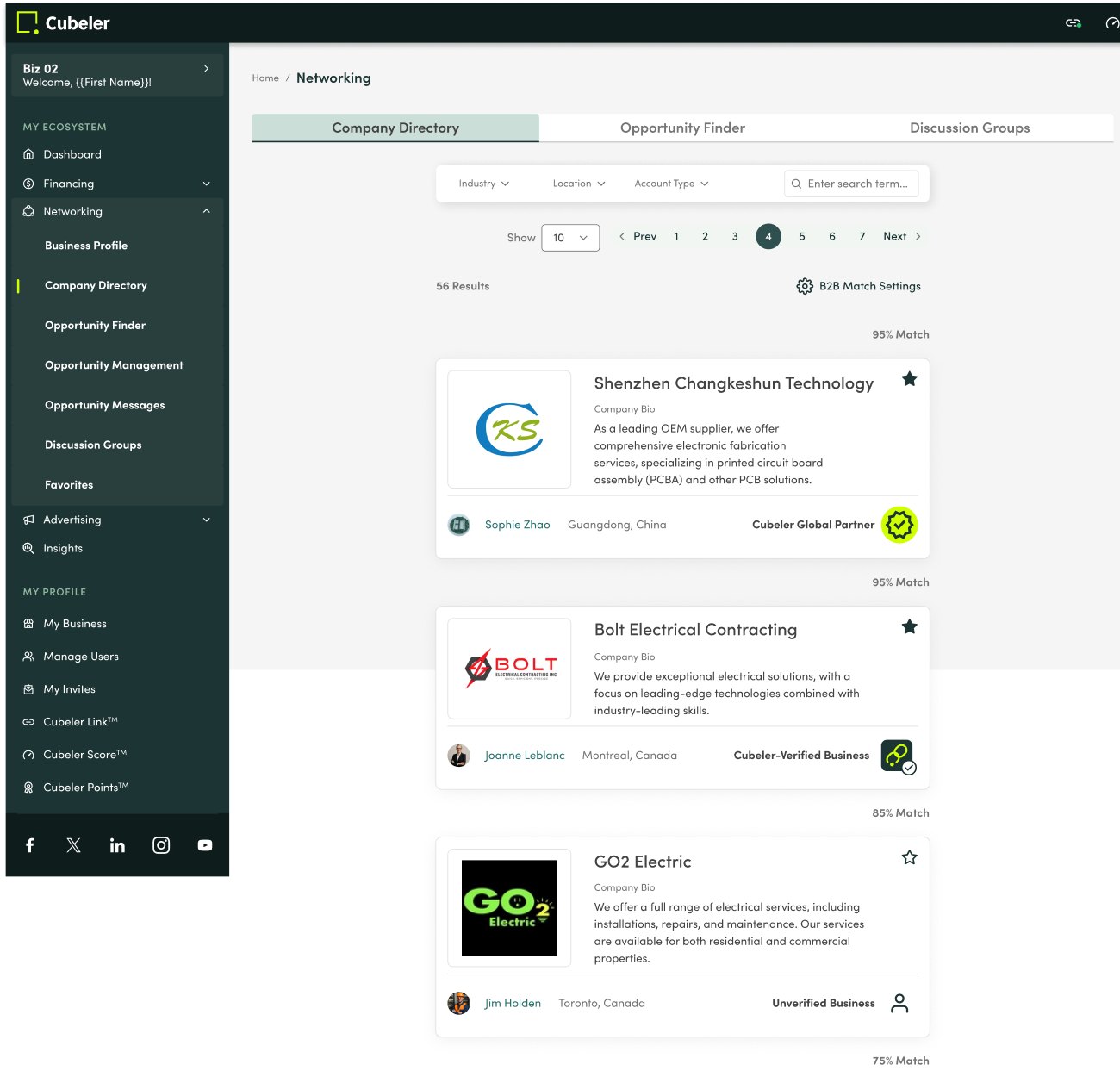
My work at Cubeler since 2024. It covers compliance software, a lender portal, B2B networking and advertising, and the research behind them.
View the work →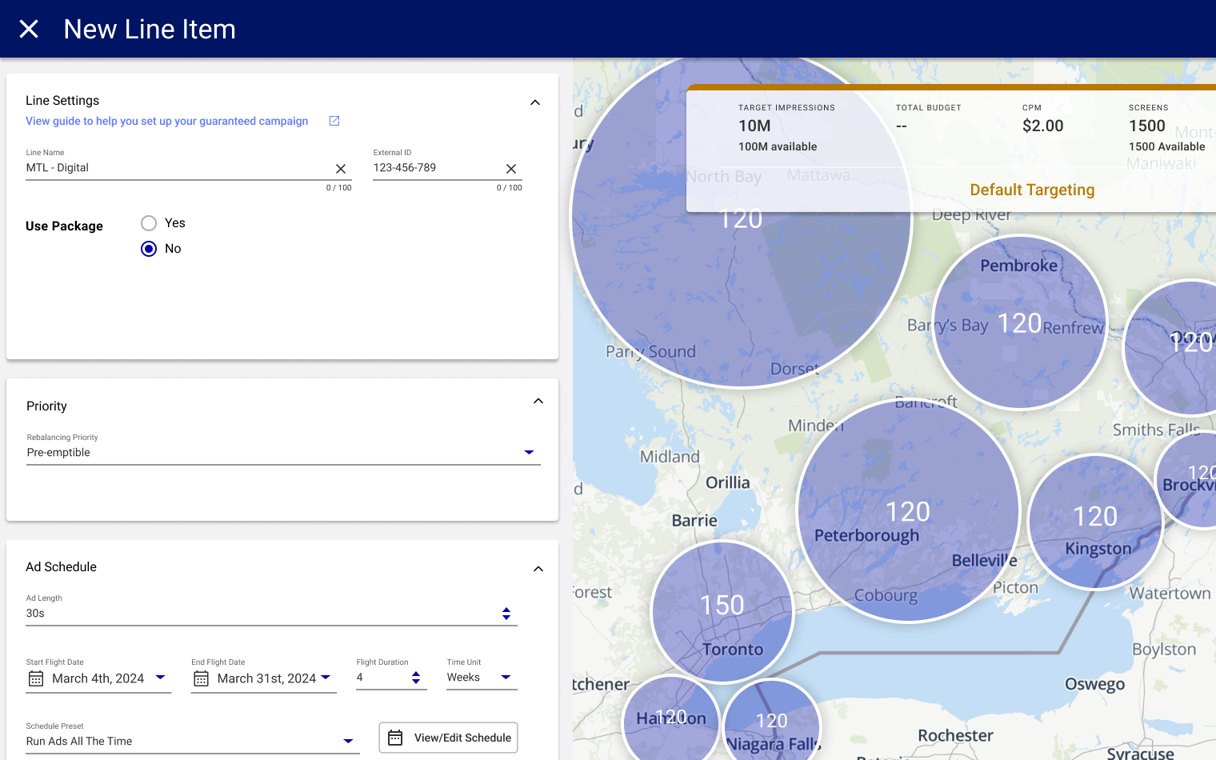

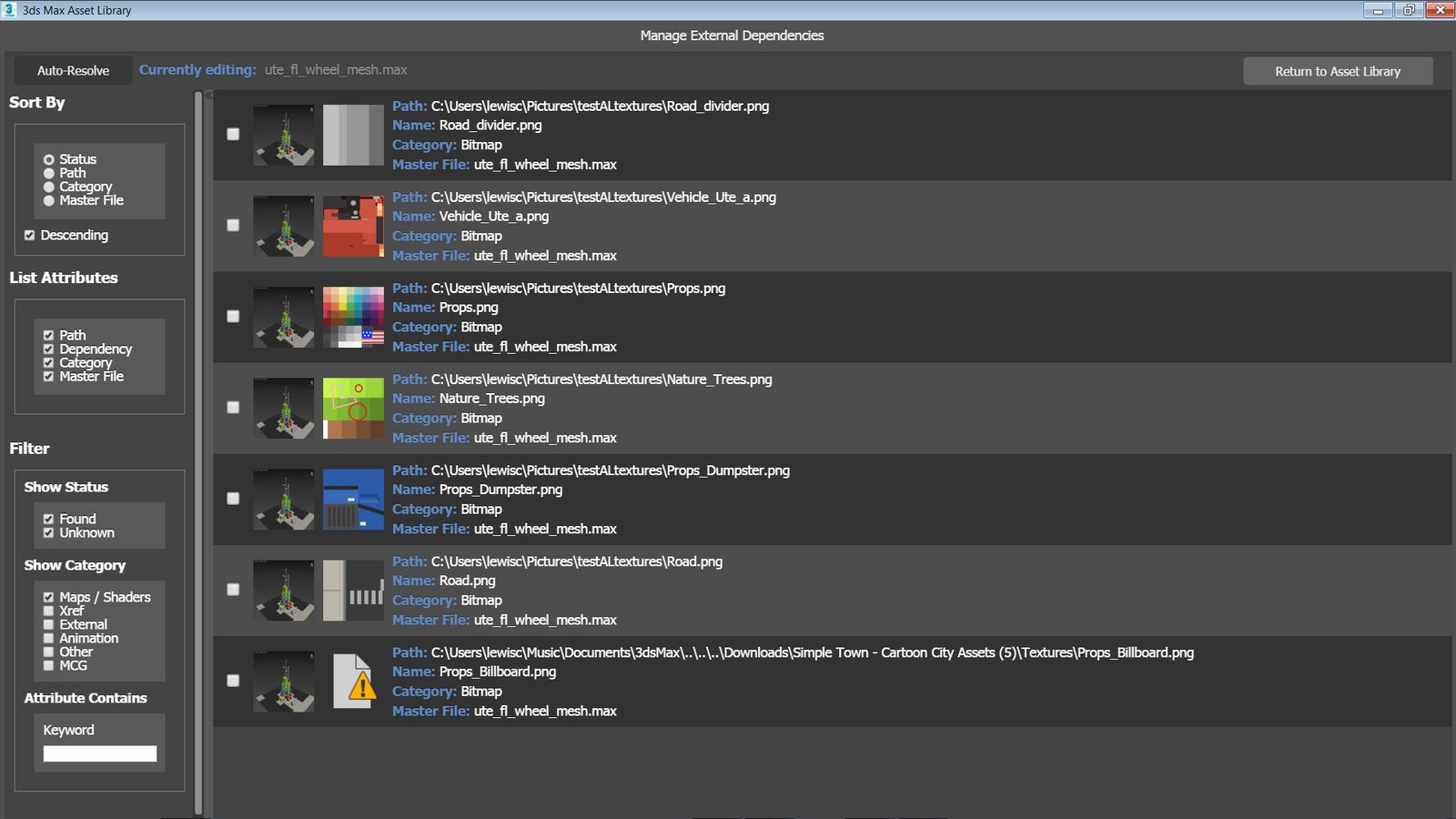
5 case studies · 7 more
Past Work
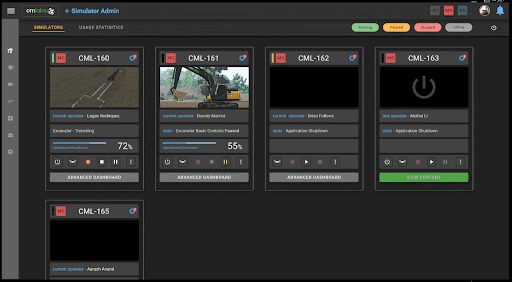
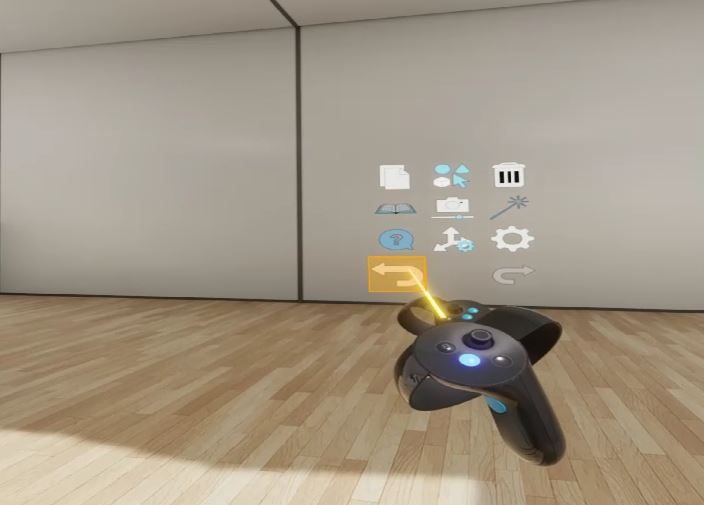
Ad tech, simulator training at CM Labs, and 3ds Max and VR at Autodesk, plus smaller pieces and videos.
View the work →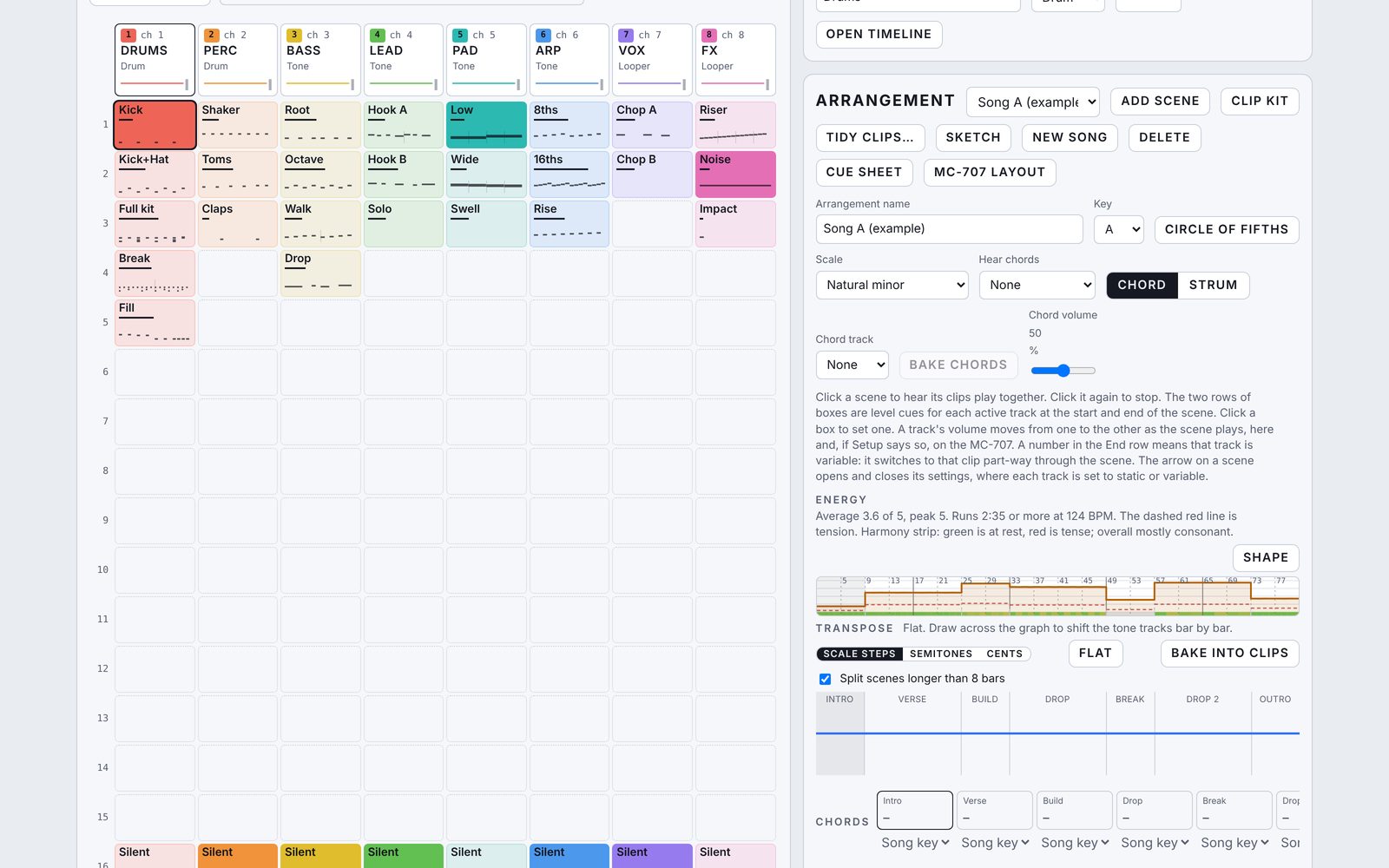

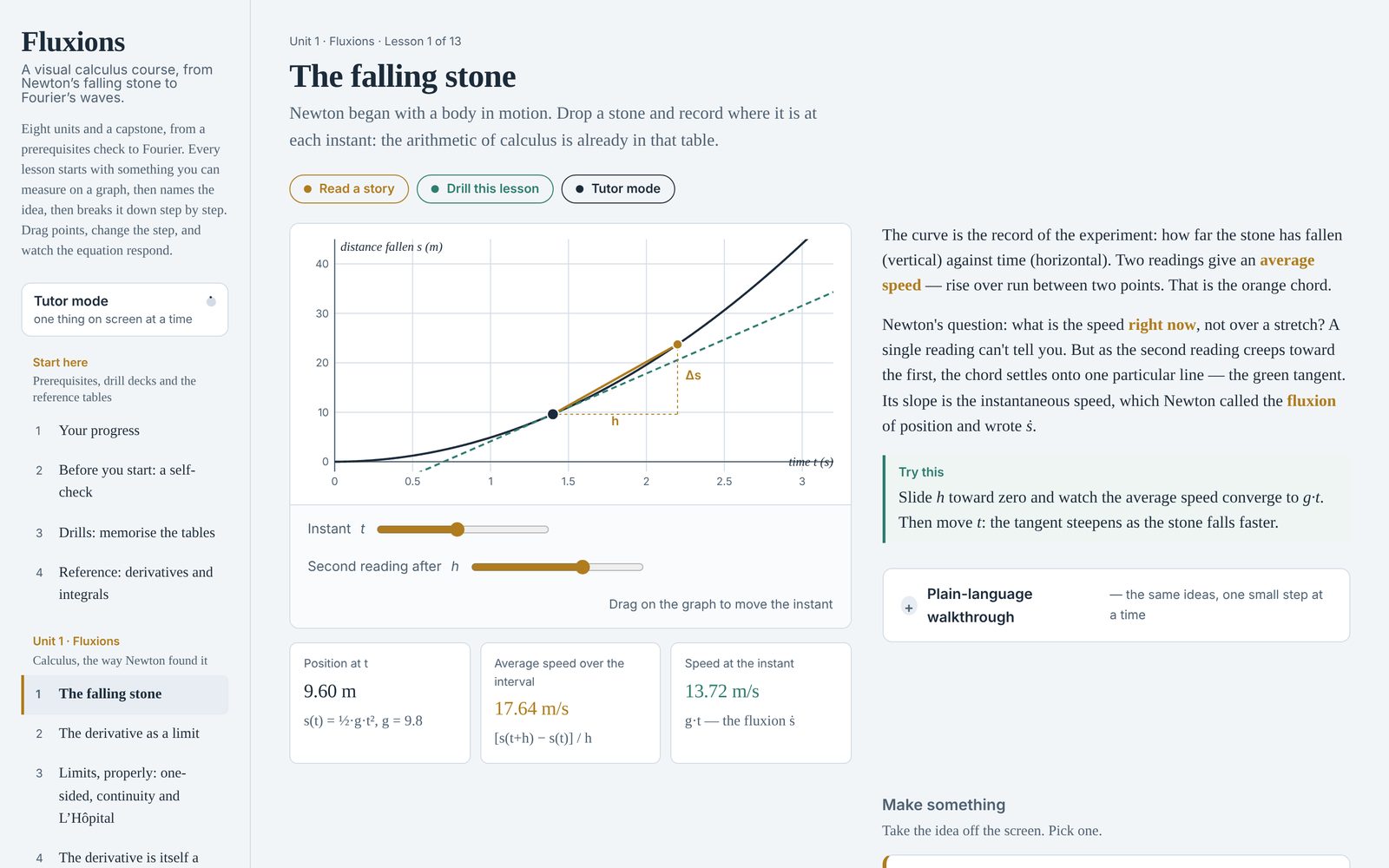
3 projects
Personal Projects
Apps I designed and built using Claude for myself. They include a visual synth, an arranger for playing live, and visual advanced math tutors.
View the work →What colleagues say
About →“Clint is focused, dedicated, insanely curious and a pleasure to work with. He is committed to quality and simplicity in software design, and is a fantastic listener and a fast learner.”
“It was a great experience to work with a product designer who was always open to suggestions and understood the user’s needs very well.”